Buy online-poker.eu ?
We are moving the project
online-poker.eu .
Are you interested in purchasing the domain
online-poker.eu ?
domain@kv-gmbh.de · 0541-91531010
Buy online-poker.eu ?
Should I buy Total War: Empire or Total War: Napoleon?
The decision between Total War: Empire and Total War: Napoleon ultimately depends on your personal preferences. Empire offers a larger scope with a focus on global conquest and management, while Napoleon provides a more focused experience on the Napoleonic Wars in Europe. If you enjoy grand strategy and managing vast empires, Empire may be the better choice. However, if you prefer a more focused and intense tactical experience, Napoleon could be the game for you. Ultimately, consider your preferred time period and gameplay style to make the best decision for your gaming preferences. **
Why was total war propagated?
Total war was propagated because it allowed nations to mobilize all of their resources, both military and civilian, in order to achieve victory. This meant that not only the military, but also the entire population and economy of a country were geared towards the war effort. Total war was seen as necessary in order to fully commit a nation to the conflict and to ensure that it had the best chance of achieving victory. Additionally, the concept of total war was also used as a means of justifying the targeting of civilian populations and infrastructure in order to weaken the enemy's ability to wage war. **
Similar search terms for Total War
Top-Angebote
Products related to Total War:
-
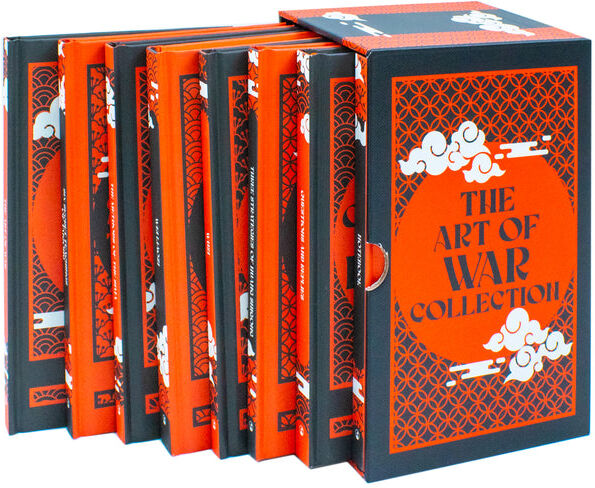
Classic Editions The Complete Art of War 8 Books Collection Box Set – Ancient Military Strategy Classics CollectionThe Complete Art of War 8 Books Collection Box Set of Military Classics From Ancient China: Titles In This Set: The Art of War The Methods of The Sima Wei Liaozi Wuzi Questions and Replies Three Strategies of Huang Shigong Six Secret Teachings of Taigong Note Book Description: Taken from the experiences of Ancient China’s most brilliant warriors more than 2000 years ago, Sun Tzu’s famed The Art of War contains valuable lessons on strategic warfare that continue to be relevant today. Six Secret Teachings concerns itself with the topics of tactics, morality and effective communication, and contains valuable lessons on strategic warfare that continue to be relevant today. One of the oldest of the Seven Military Classics from Ancient China, Wuzi focusses on human nature and behaviour, and contains valuable lessons on strategic warfare that continue to be relevant today. A personal notebook for readers to write their own notes.14,99 £*Shipping: 2,99 £Secure redirect to the provider

-
What does total war mean?
Total war refers to a conflict in which a nation mobilizes all of its resources, both military and civilian, towards the war effort. This includes not only the armed forces, but also the economy, industry, and propaganda. In total war, the entire population is involved in supporting the war, and the distinction between combatants and non-combatants becomes blurred. This type of warfare often leads to widespread destruction and suffering, as the goal is to completely defeat the enemy and achieve total victory. **
-
What is the difference between war and total war?
War is a conflict between two or more countries or groups, typically involving military action and often with specific political or territorial objectives. Total war, on the other hand, is a type of war in which a country mobilizes all of its resources, including its civilian population, to support the war effort. In total war, there is a complete and unrestricted mobilization of all available resources and the targeting of not only military forces but also the infrastructure and population of the enemy. Total war often involves a complete disregard for the distinction between combatants and non-combatants, and can result in widespread destruction and suffering. **
-
What is meant by total war?
Total war refers to a conflict in which a nation mobilizes all of its resources, including its civilian population, to support the war effort. This includes not only the military, but also the economy, industry, and propaganda. In total war, there is no distinction between combatants and non-combatants, and the goal is to completely defeat the enemy by any means necessary. This type of warfare often leads to widespread destruction and suffering, as seen in World War II with the bombing of cities and the targeting of civilian populations. **
-
Why did Germany want total war?
Germany wanted total war because they believed it was necessary to achieve their military and political objectives. They saw total war as a way to mobilize all resources, both military and civilian, to ensure victory. Additionally, they believed that total war would demonstrate their strength and determination to their enemies, potentially leading to a quicker end to the conflict. Lastly, the German leadership believed that total war would unite the population behind the war effort and boost morale. **
What is total war in history?
Total war is a concept in history that refers to a war in which a country mobilizes all of its resources, both military and civilian, towards the war effort. This includes not only the military forces, but also the economy, industry, and propaganda. Total war often involves the targeting of civilian populations and infrastructure in order to weaken the enemy's ability to fight. Examples of total war in history include World War I and World War II, where entire societies were mobilized for the war effort and civilian populations were directly affected by the conflict. **
What could be meant by "total defeat" following the total war in the Second World War?
"Total defeat" following the total war in the Second World War could refer to the complete military, economic, and political collapse of a country. It could mean the unconditional surrender of the defeated nation, resulting in occupation, disarmament, and restructuring of its government and society by the victorious powers. Total defeat could also entail the loss of territory, resources, and sovereignty, as well as the imposition of reparations and war guilt on the defeated nation. Ultimately, "total defeat" in the context of the Second World War signified a comprehensive and devastating outcome for the losing side. **
Top-Angebote
Products related to Total War:
-
Classic Editions The Complete Art of War – 8 Book Hardback Box Set Sun Tzu & Ancient Chinese Military Strategy Classics Leadership, Warfare & Strategy CollectionExplore centuries of strategic thinking with The Complete Art of War – 8 Books Collection Hardback Box Set, an impressive collection of classical Chinese writings on warfare, leadership, tactics and strategy. Bringing together influential works from ancient Chinese military thought, this hardback collection includes titles such as The Art of War, Methods of the Sima, Wuzi, Wei Liaozi, Three Strategies of Huang Shigong, and Six Secret Teachings of Taigong, alongside additional works included in the eight-volume set. These enduring texts examine subjects including leadership, planning, discipline, intelligence, diplomacy, battlefield tactics and strategic decision-making. Although written in the context of ancient warfare, many of their principles have subsequently attracted readers interested in history, leadership and strategic thinking. Presented as an 8-volume hardback boxed collection, the set is ideal for readers of military history, students of classical philosophy and collectors of beautifully presented classic works. Why Readers Will Love This Collection Includes 8 hardback volumes in a collectible box set Features influential works of ancient Chinese military strategy Explores strategy, leadership, tactics and decision-making Excellent addition to military history and philosophy collections Attractive hardback format for a home or study library Ideal gift for history, strategy and classic literature enthusiasts The Complete Art of War 8 Book Collection brings together some of history's most enduring works on strategy in one impressive hardback set. Titles In This Set: Notebook Questions and Replies Three Strategies of Huang Shigong Wuzi Wei Liaozi The Methods of The Sima Six Secret Teachings of Taigong The Art of War16,99 £*Shipping: 2,99 £Secure redirect to the provider
-
Classic Editions The Complete Art of War 8 Books Collection Box Set – Ancient Military Strategy Classics CollectionThe Complete Art of War 8 Books Collection Box Set of Military Classics From Ancient China: Titles In This Set: The Art of War The Methods of The Sima Wei Liaozi Wuzi Questions and Replies Three Strategies of Huang Shigong Six Secret Teachings of Taigong Note Book Description: Taken from the experiences of Ancient China’s most brilliant warriors more than 2000 years ago, Sun Tzu’s famed The Art of War contains valuable lessons on strategic warfare that continue to be relevant today. Six Secret Teachings concerns itself with the topics of tactics, morality and effective communication, and contains valuable lessons on strategic warfare that continue to be relevant today. One of the oldest of the Seven Military Classics from Ancient China, Wuzi focusses on human nature and behaviour, and contains valuable lessons on strategic warfare that continue to be relevant today. A personal notebook for readers to write their own notes.14,99 £*Shipping: 2,99 £Secure redirect to the provider
-
Should I buy Total War: Empire or Total War: Napoleon?
The decision between Total War: Empire and Total War: Napoleon ultimately depends on your personal preferences. Empire offers a larger scope with a focus on global conquest and management, while Napoleon provides a more focused experience on the Napoleonic Wars in Europe. If you enjoy grand strategy and managing vast empires, Empire may be the better choice. However, if you prefer a more focused and intense tactical experience, Napoleon could be the game for you. Ultimately, consider your preferred time period and gameplay style to make the best decision for your gaming preferences. **
-
Why was total war propagated?
Total war was propagated because it allowed nations to mobilize all of their resources, both military and civilian, in order to achieve victory. This meant that not only the military, but also the entire population and economy of a country were geared towards the war effort. Total war was seen as necessary in order to fully commit a nation to the conflict and to ensure that it had the best chance of achieving victory. Additionally, the concept of total war was also used as a means of justifying the targeting of civilian populations and infrastructure in order to weaken the enemy's ability to wage war. **
-
What does total war mean?
Total war refers to a conflict in which a nation mobilizes all of its resources, both military and civilian, towards the war effort. This includes not only the armed forces, but also the economy, industry, and propaganda. In total war, the entire population is involved in supporting the war, and the distinction between combatants and non-combatants becomes blurred. This type of warfare often leads to widespread destruction and suffering, as the goal is to completely defeat the enemy and achieve total victory. **
-
What is the difference between war and total war?
War is a conflict between two or more countries or groups, typically involving military action and often with specific political or territorial objectives. Total war, on the other hand, is a type of war in which a country mobilizes all of its resources, including its civilian population, to support the war effort. In total war, there is a complete and unrestricted mobilization of all available resources and the targeting of not only military forces but also the infrastructure and population of the enemy. Total war often involves a complete disregard for the distinction between combatants and non-combatants, and can result in widespread destruction and suffering. **
Similar search terms for Total War
-
What is meant by total war?
Total war refers to a conflict in which a nation mobilizes all of its resources, including its civilian population, to support the war effort. This includes not only the military, but also the economy, industry, and propaganda. In total war, there is no distinction between combatants and non-combatants, and the goal is to completely defeat the enemy by any means necessary. This type of warfare often leads to widespread destruction and suffering, as seen in World War II with the bombing of cities and the targeting of civilian populations. **
-
Why did Germany want total war?
Germany wanted total war because they believed it was necessary to achieve their military and political objectives. They saw total war as a way to mobilize all resources, both military and civilian, to ensure victory. Additionally, they believed that total war would demonstrate their strength and determination to their enemies, potentially leading to a quicker end to the conflict. Lastly, the German leadership believed that total war would unite the population behind the war effort and boost morale. **
-
What is total war in history?
Total war is a concept in history that refers to a war in which a country mobilizes all of its resources, both military and civilian, towards the war effort. This includes not only the military forces, but also the economy, industry, and propaganda. Total war often involves the targeting of civilian populations and infrastructure in order to weaken the enemy's ability to fight. Examples of total war in history include World War I and World War II, where entire societies were mobilized for the war effort and civilian populations were directly affected by the conflict. **
-
What could be meant by "total defeat" following the total war in the Second World War?
"Total defeat" following the total war in the Second World War could refer to the complete military, economic, and political collapse of a country. It could mean the unconditional surrender of the defeated nation, resulting in occupation, disarmament, and restructuring of its government and society by the victorious powers. Total defeat could also entail the loss of territory, resources, and sovereignty, as well as the imposition of reparations and war guilt on the defeated nation. Ultimately, "total defeat" in the context of the Second World War signified a comprehensive and devastating outcome for the losing side. **
* All prices are inclusive of VAT and, if applicable, plus shipping costs. The offer information is based on the details provided by the respective shop and is updated through automated processes. Real-time updates do not occur, so deviations can occur in individual cases. ** Note: Parts of this content were created by AI.